

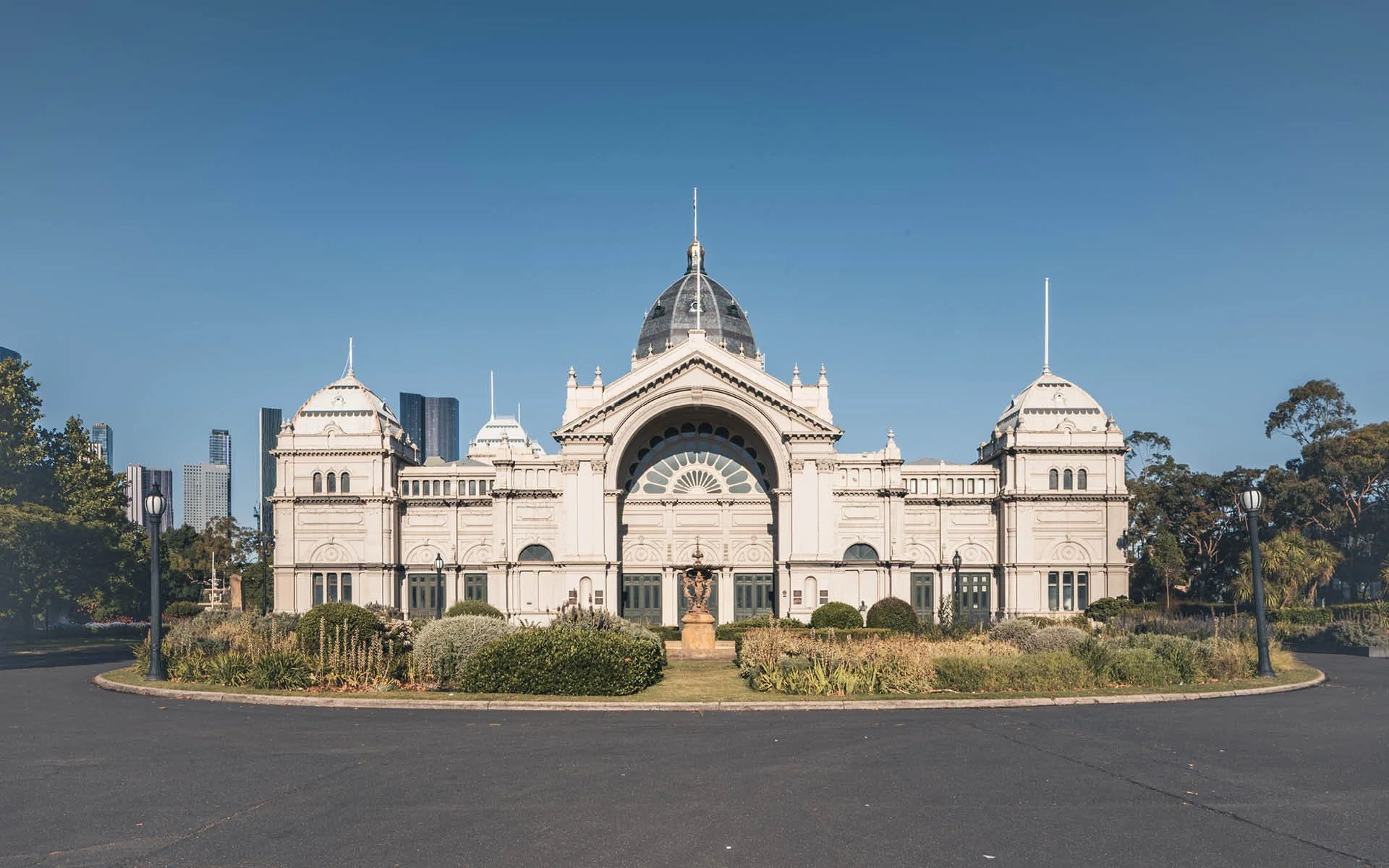
Royal Exhibition Building
Location: Carlton, VIC
Typology: Cultural and Public Assembly
Heritage Listing: UNESCO World Heritage Site
J. Hettinga, D. Davis and D. Blake, “Vibration Monitoring of the Royal Exhibition Building,” in SAHC 2025, Lausanne, 2025.
Built between 1879 and 1880 for Melbourne’s first International Exhibition, the Royal Exhibition Building is one of the world’s few remaining 19th-century exhibition halls and the first Australian building inscribed on the UNESCO World Heritage List. Its majestic dome and richly ornamented interiors have witnessed historic events, including the opening of Australia’s first Federal Parliament in 1901. Today, it continues to serve as a cultural venue for exhibitions and public gatherings, making its preservation vital to Melbourne’s identity and global heritage.
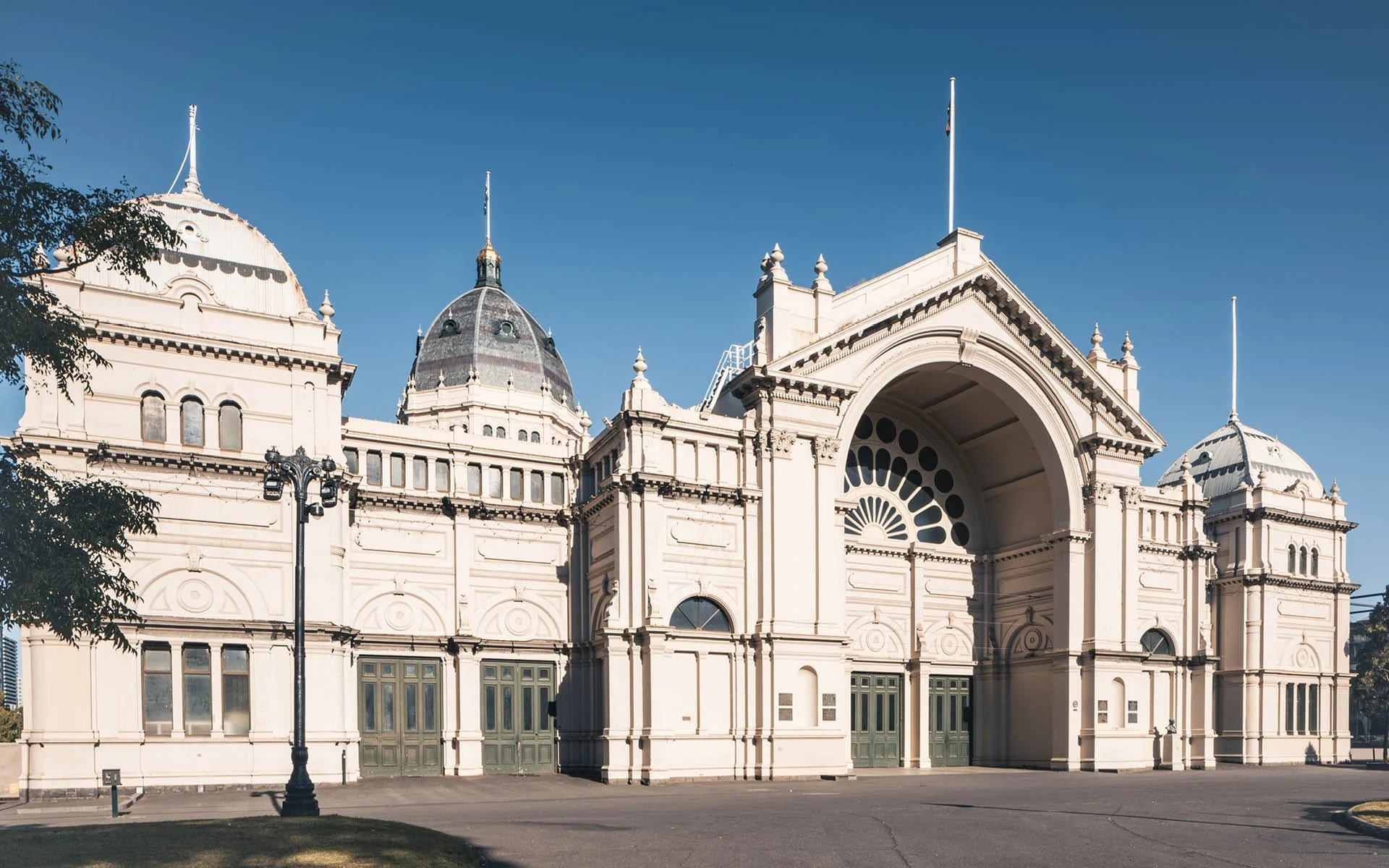
The research addressed concerns about material deterioration and structural resilience, particularly in relation to fragile plasterwork and historic murals. The primary objective was to implement a monitoring program that would inform conservation strategies without disrupting the building’s ongoing use as a public venue.
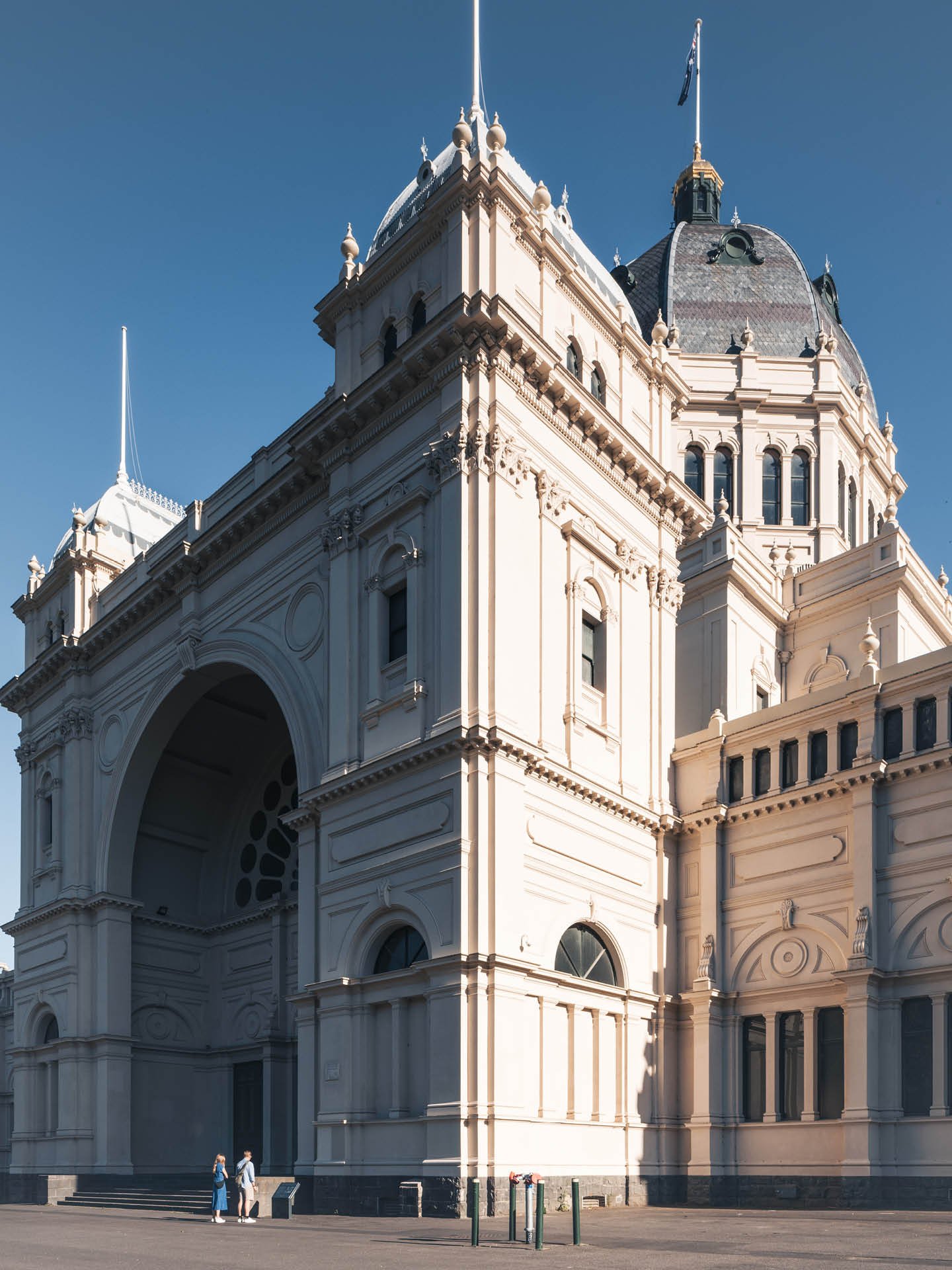
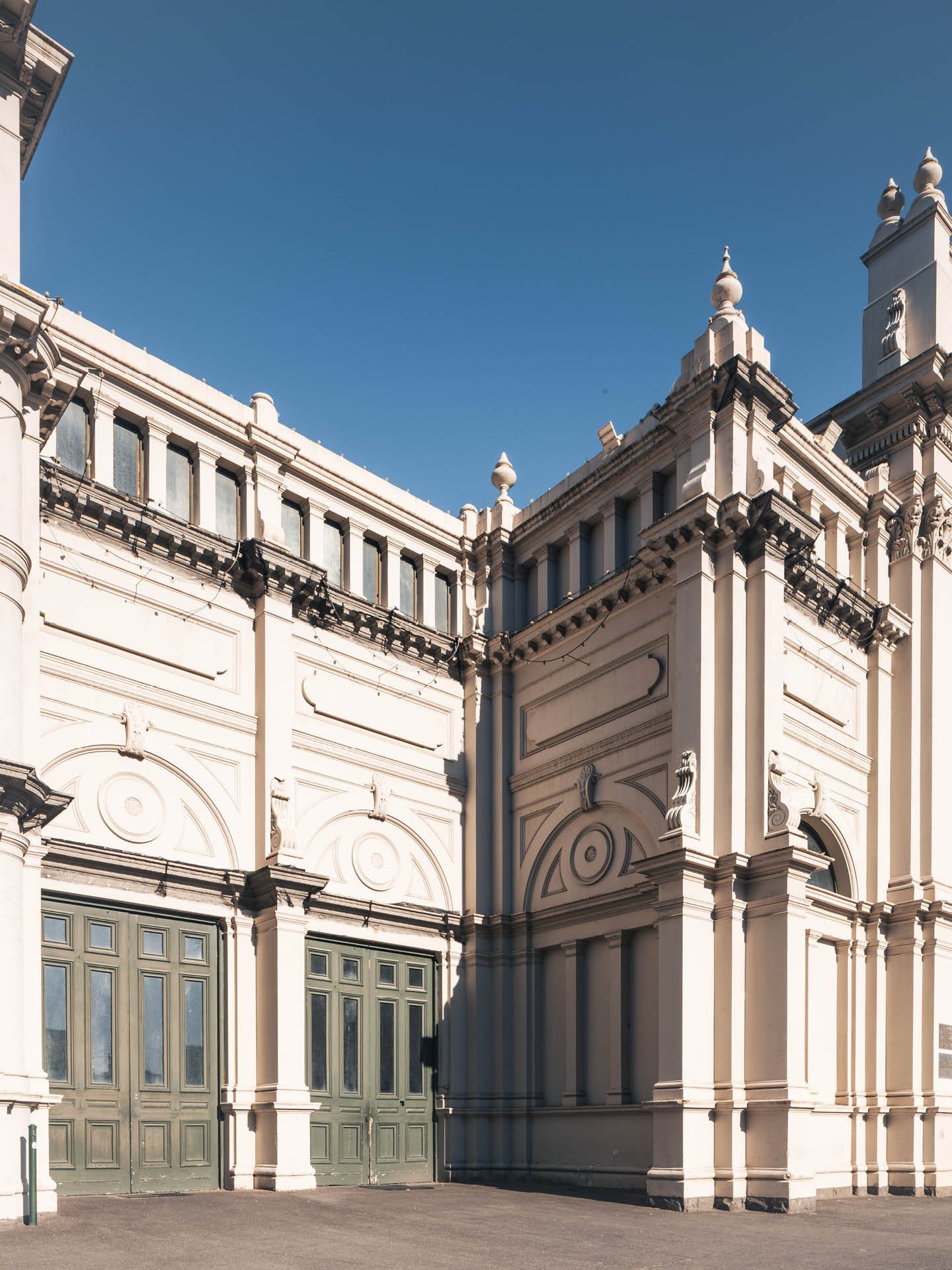
The team implemented a comprehensive structural health monitoring program to assess the building’s response to environmental factors and occupancy-related vibrations. This included installing vibration sensors, humidity monitors, and weather stations, with data analysed quarterly against indicative values from international standards. Particular attention was given to lime plaster finishes on unreinforced brick masonry, which exhibited signs of detachment and risk of loss.
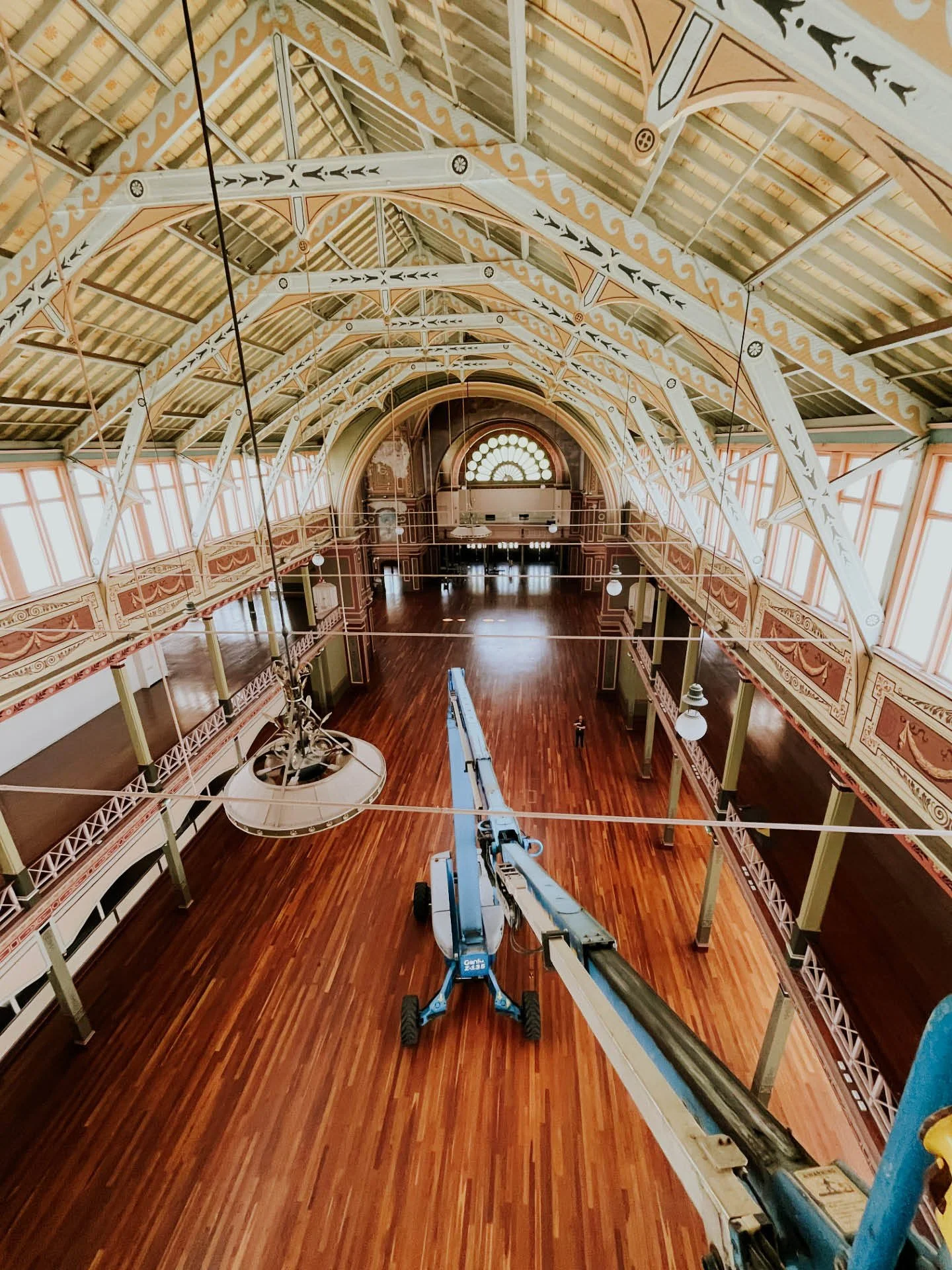
The monitoring program was designed to be non-invasive, preserving the building’s historic fabric while providing actionable insights for conservation planning. By correlating monitoring data with events and external factors, patterns that could accelerate deterioration were identified. This evidence-based approach enables targeted interventions, reducing unnecessary repairs and safeguarding original materials.
Through careful planning and collaboration, the solution balanced engineering precision with cultural sensitivity, ensuring the building remains safe, functional, and true to its historic character.
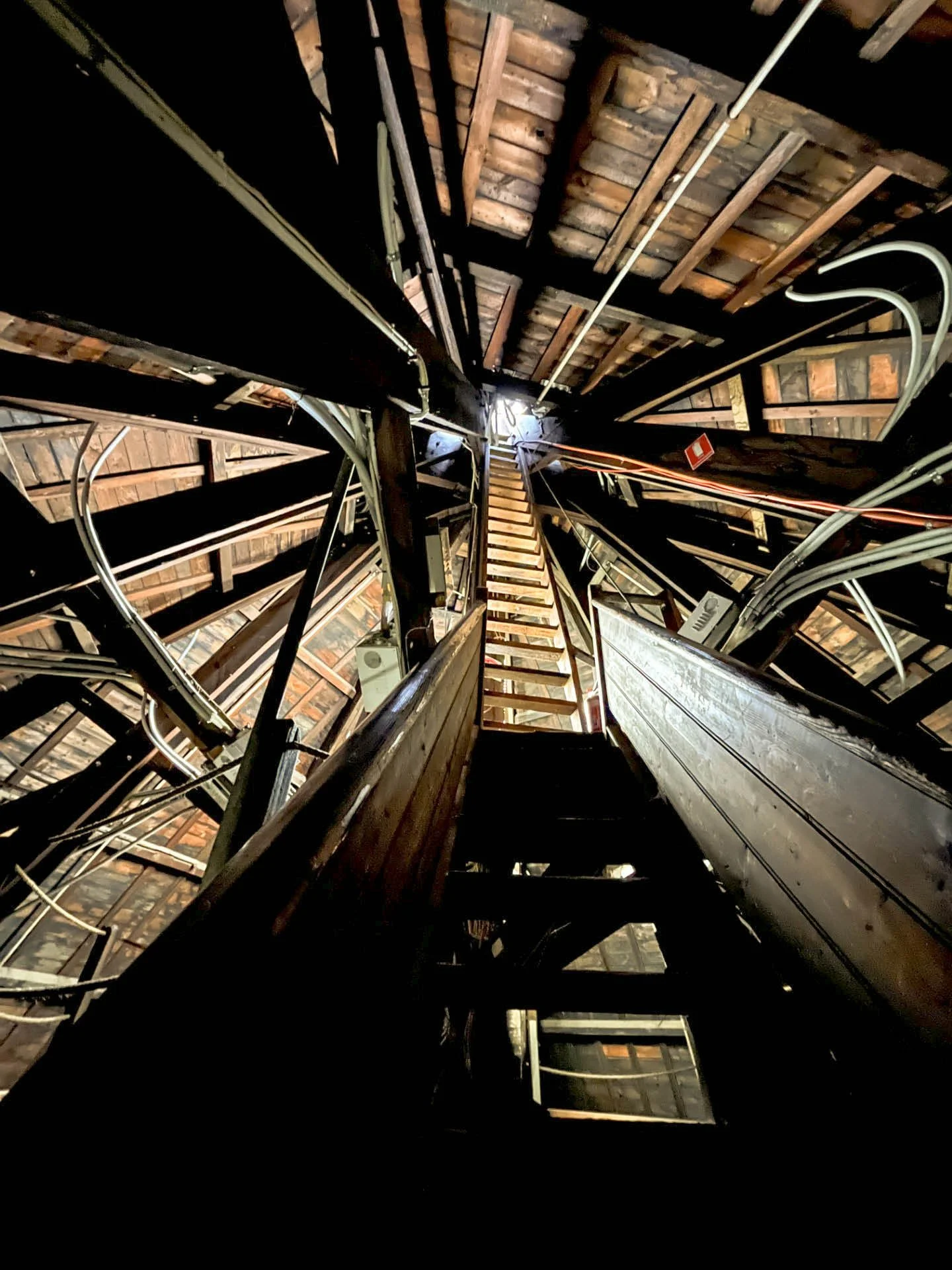
The Royal Exhibition Building is more than an architectural masterpiece—it is a living cultural asset. By implementing a monitoring program, the project prioritises a cautious approach to interventions and supports sustainable conservation practices. This work ensures the building can continue hosting exhibitions, educational programs, and civic events, enriching Melbourne’s cultural life while protecting a globally recognised heritage landmark for future generations.
We would like to acknowledge that the project was funded by a Commonwealth of Australia Heritage Grant. We sincerely thank Museums Victoria for their support, insights, and contributions, which were essential to the development of the paper. Their collaboration and expertise greatly enriched the work.
Key Outcomes
Installed structural health monitoring systems for vibration and environmental factors
Identified risks to fragile plasterwork and historic murals without invasive testing
Provided data-driven insights to guide minimal-intervention conservation strategies
Preserved authenticity of UNESCO-listed heritage fabric
Enabled safe, ongoing public use of a world-renowned cultural venue