

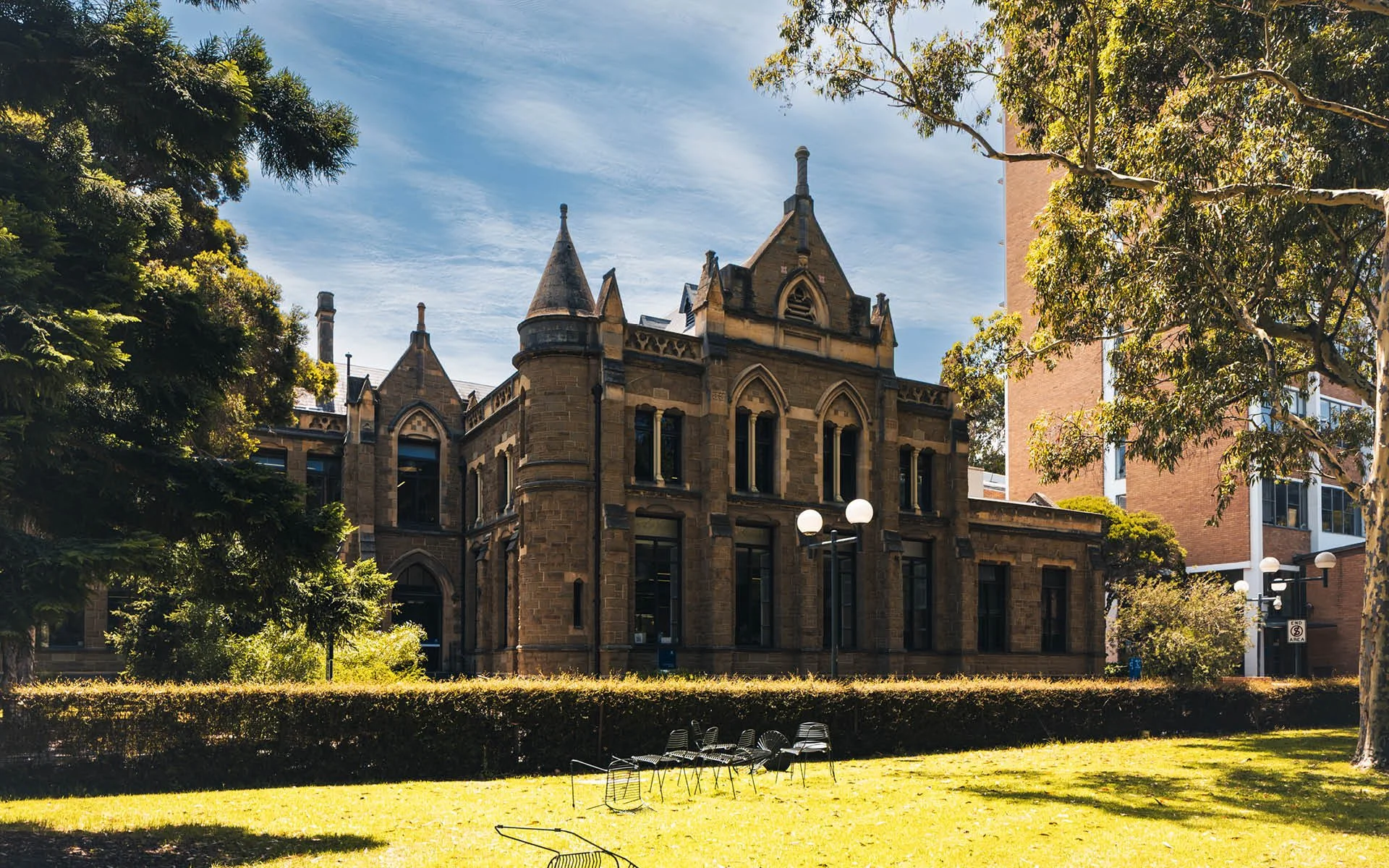
Baldwin Spencer Building
Location: Parkville, VIC
Typology: Education
S+H Services: Structural Engineering; Materials & Durability
Opened in 1888 as the Biology Building, the Baldwin Spencer Building was designed to support cutting-edge science education with laboratories, lecture theatres, and teaching spaces. Its Gothic Revival architecture, complete with freestone walls and slate roofing, reflects the University’s ambition during the late 19th century.
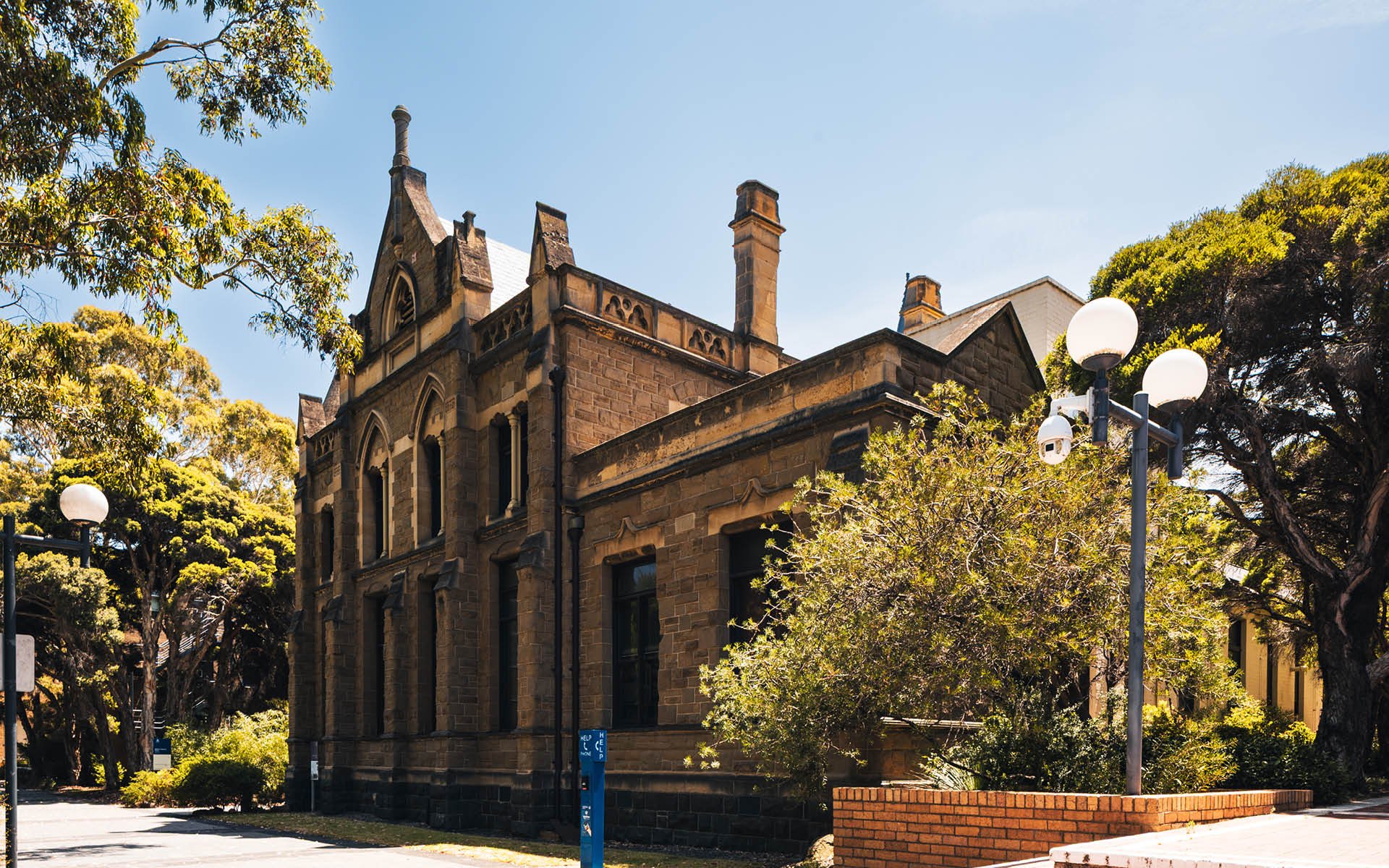
The project addressed deterioration in structural steel lintels embedded within the masonry façade. Corrosion had caused movement and cracking in the surrounding brickwork, posing safety risks and threatening the building’s heritage fabric. The client’s goal was to restore structural integrity while preserving the original appearance and ensuring compliance with modern standards.
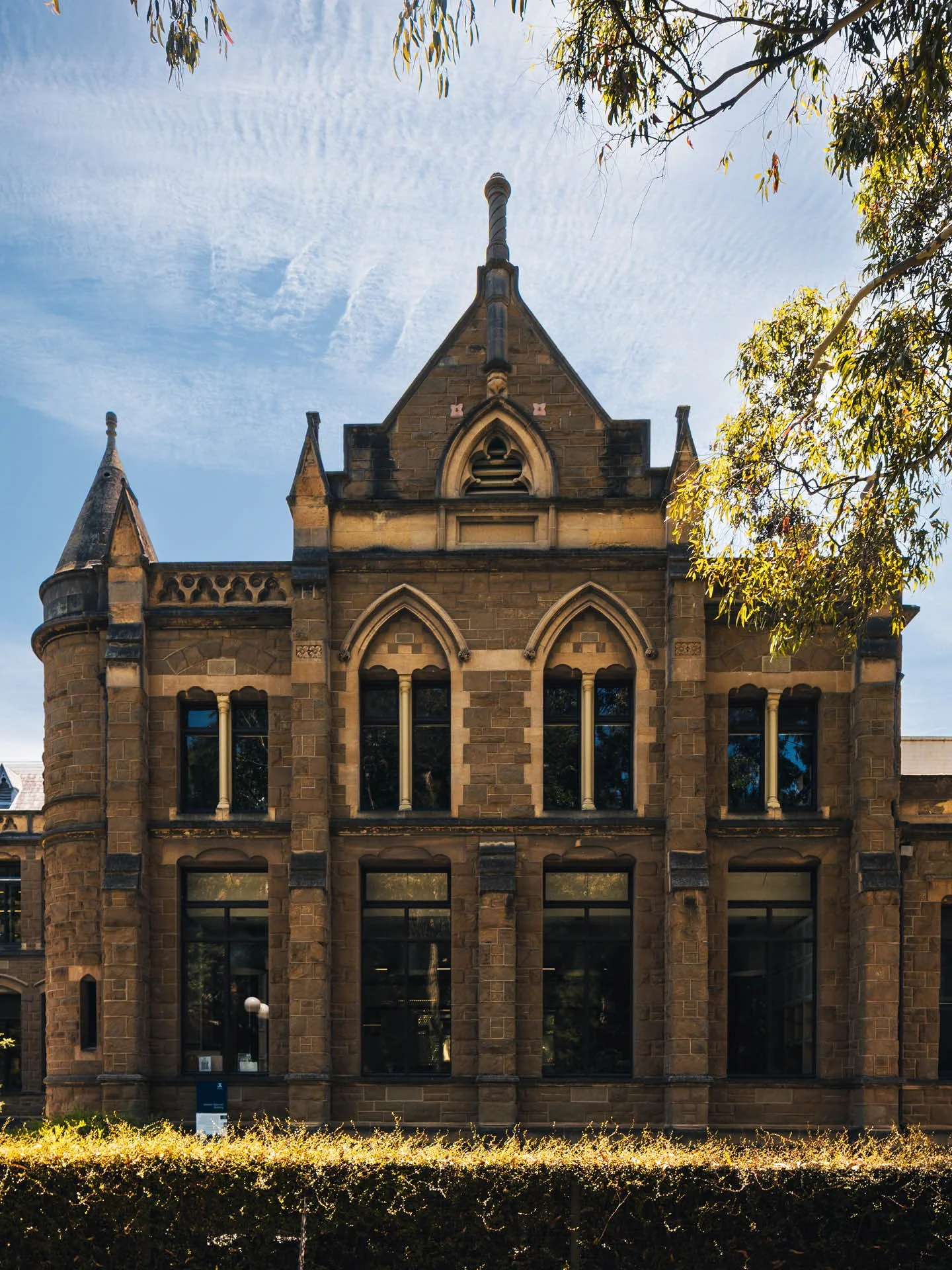
Our team undertook a detailed structural assessment to confirm the extent of corrosion and its impact on load paths. Replacement lintels were designed to match the original geometry while providing enhanced durability. Installation sequencing was carefully planned to minimise disruption and avoid unnecessary removal of historic masonry.
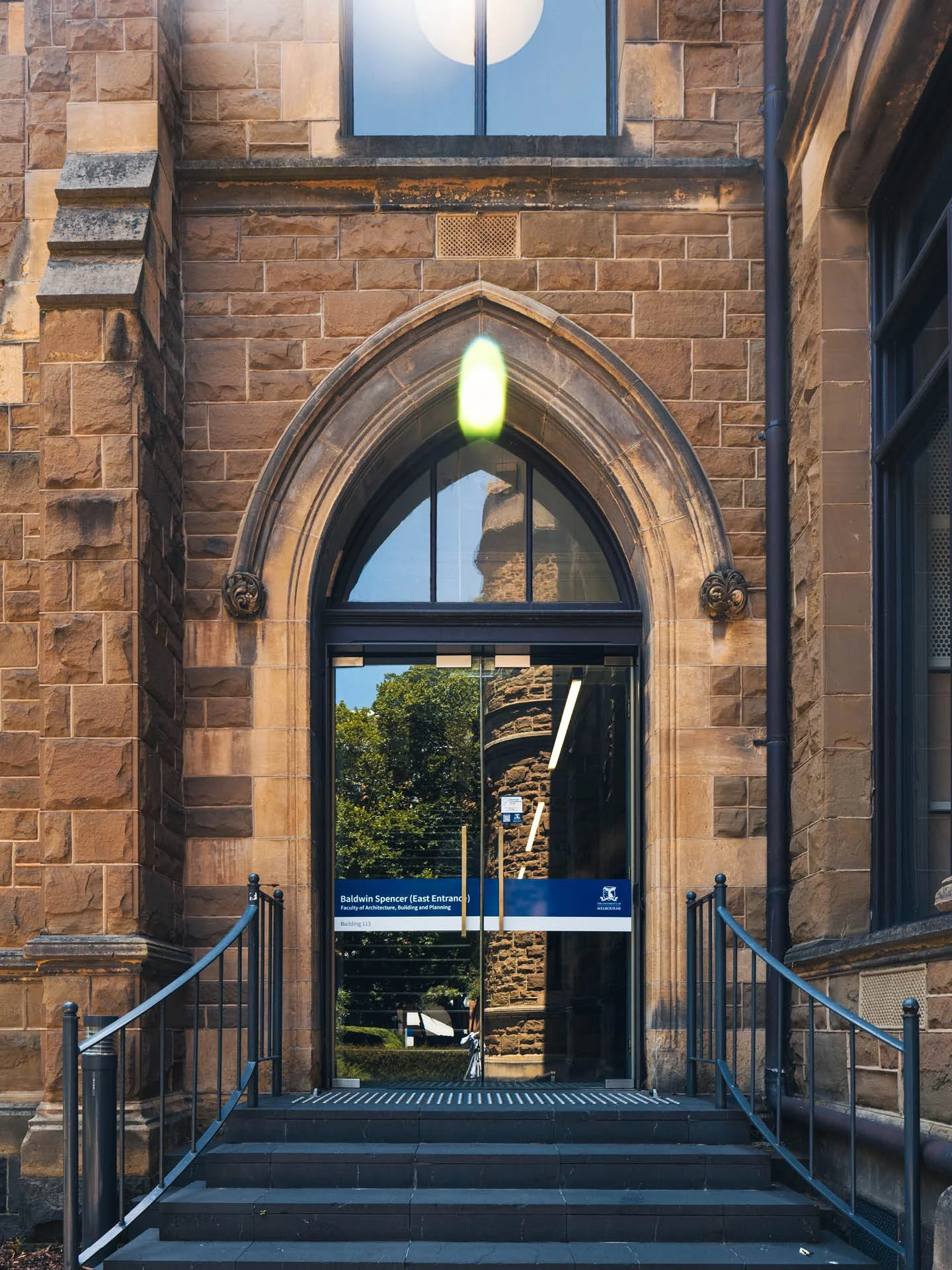
The solution prioritised minimal intervention and material compatibility. By integrating new structural elements discreetly, the repairs preserved the building’s architectural character while ensuring long-term safety and resilience. This approach delivered a practical, heritage-sensitive outcome that extended the life of a significant educational landmark.
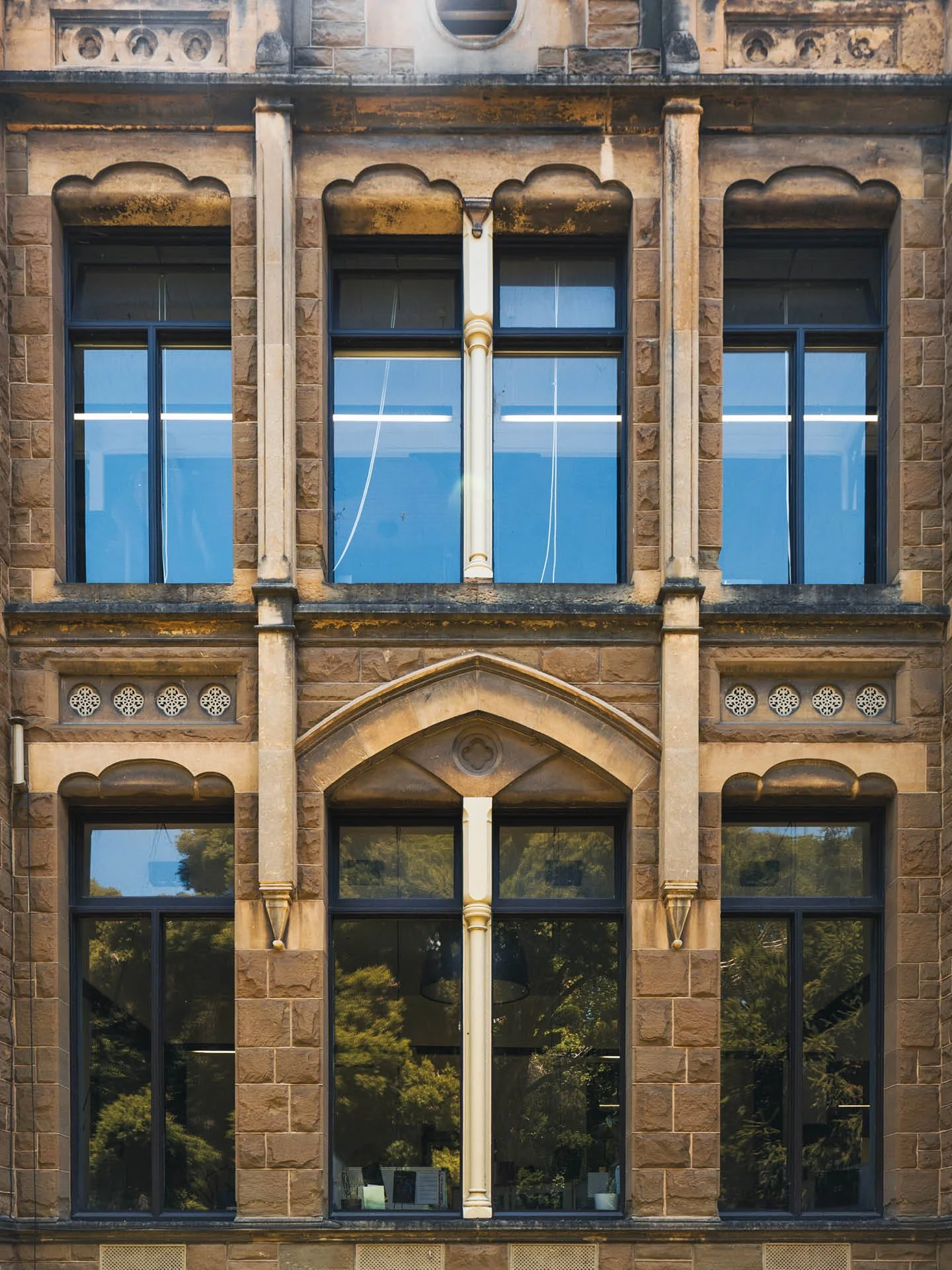
Though modest in scope, the intervention safeguards a building that has shaped scientific education for more than a century. By retaining original masonry and restoring structural integrity, the project reinforces the Baldwin Spencer Building’s cultural and academic significance. The discreet nature of the repairs ensures that future generations can continue to experience its historic character while benefiting from improved safety and durability.
Key Outcomes
Replaced corroded steel lintels with durable, heritage-compatible alternatives
Preserved original masonry and architectural detailing
Achieved compliance with current structural safety standards
Extended service life with minimal visual impact