

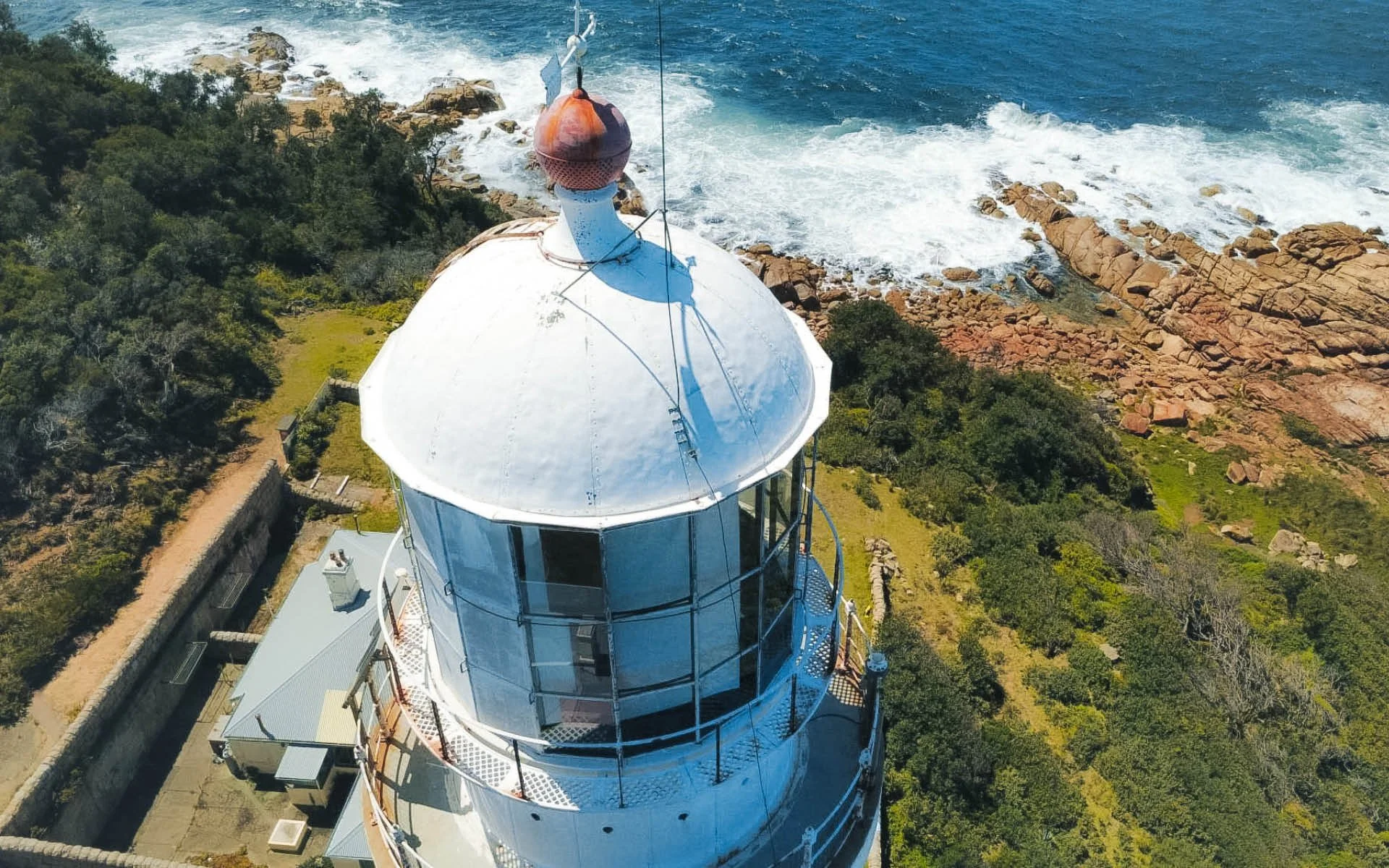
Point Hicks Lightstation
Location: Tamboon, VIC
Typology: Civic and Government
S+H Services: Structural Engineering; Construction Engineering; Materials & Durability
Commissioned in 1859, Point Hicks Lightstation is a cornerstone of Victoria’s early coastal navigation system and commemorates Captain Cook’s first sighting of mainland Australia in 1770. Its towering concrete structure—the tallest lighthouse on mainland Australia—was built under extreme conditions, with materials hauled ashore by hand before roads existed.
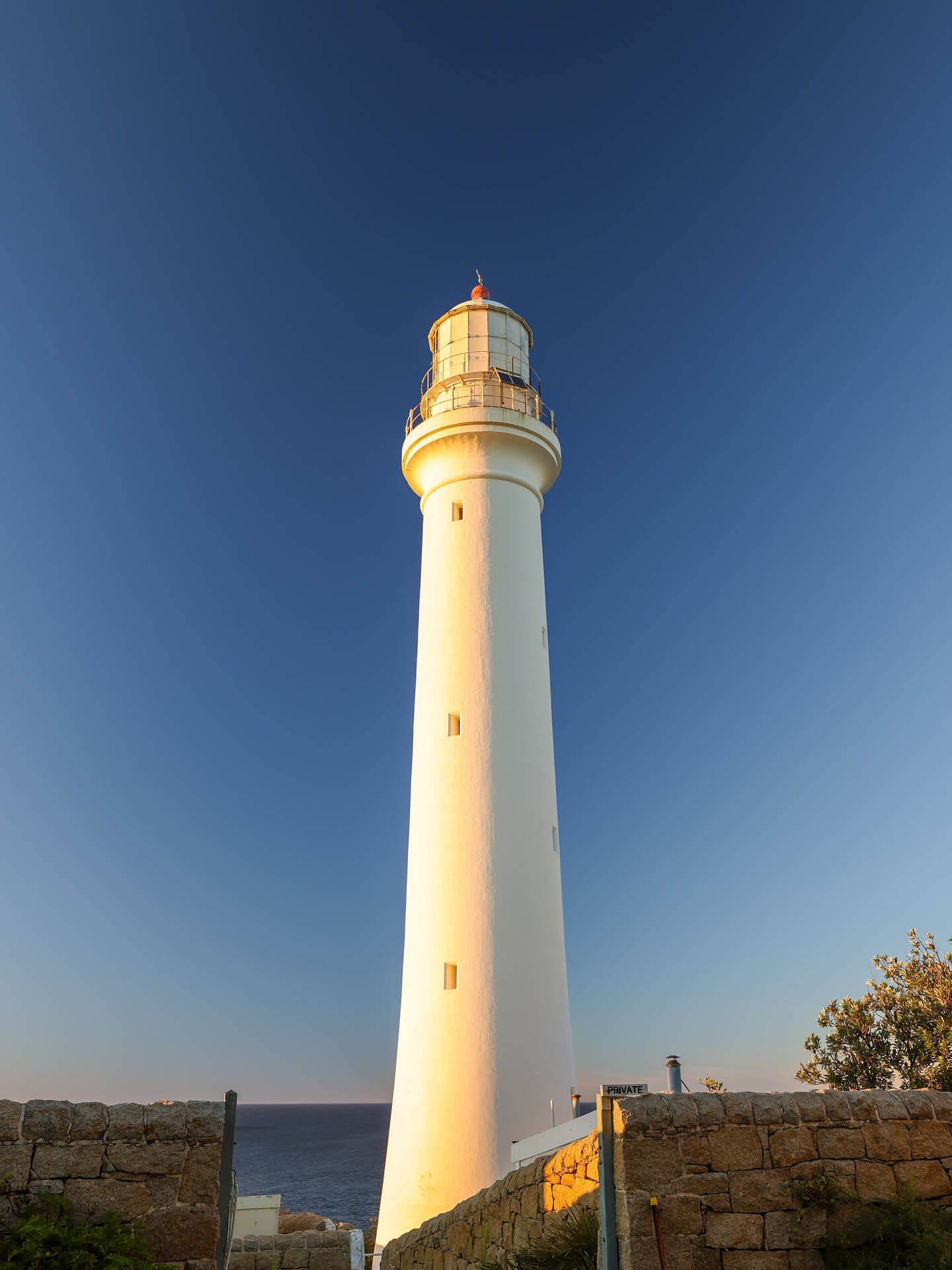
The lightstation’s heritage significance lies in its engineering innovation and its role in reducing shipwrecks along one of Australia’s most treacherous coastlines. After decades of exposure to harsh marine conditions, corrosion and deterioration were identified in critical structural components, prompting the need for repairs that would safeguard both the historic fabric and visitor safety.
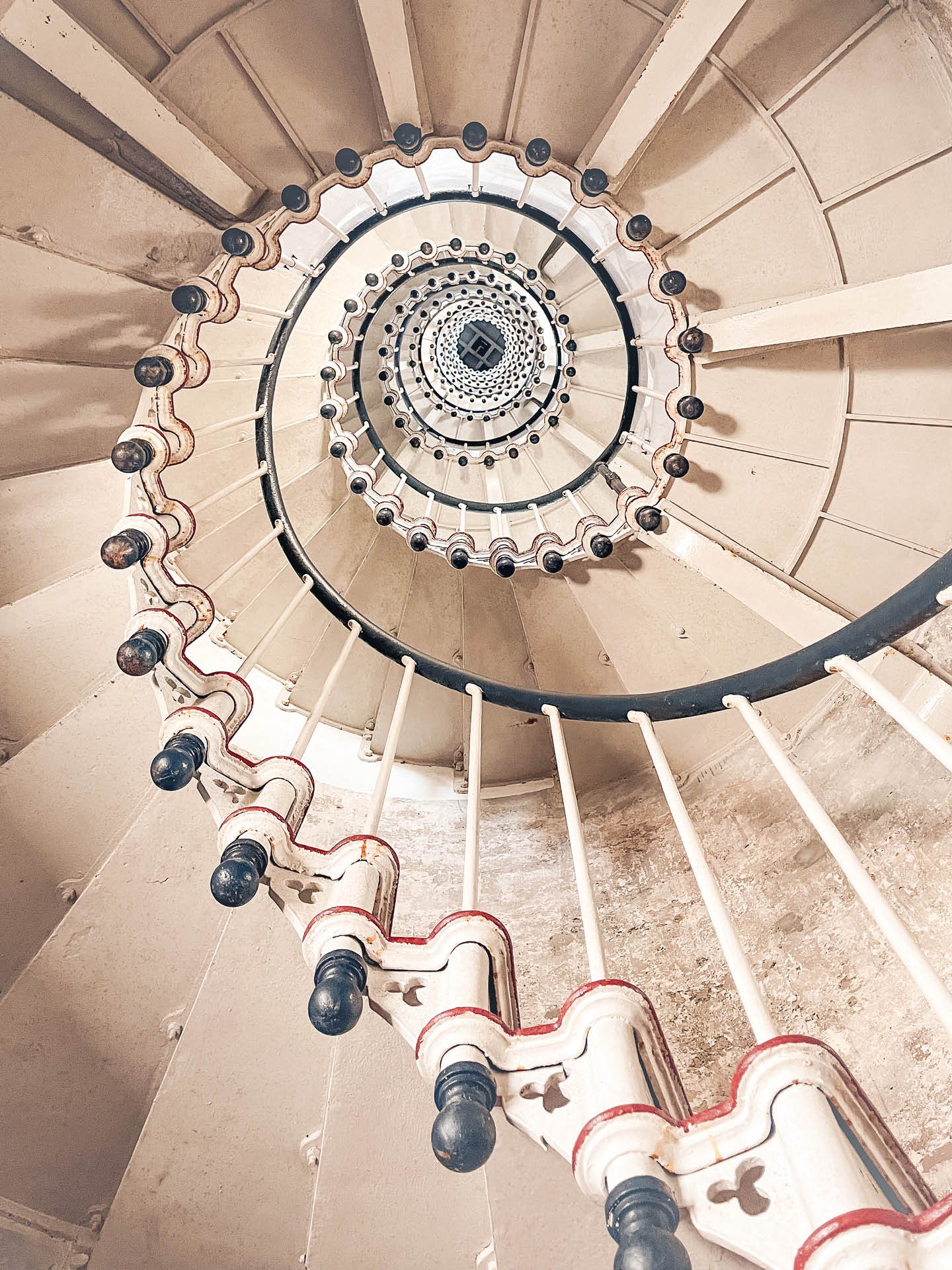
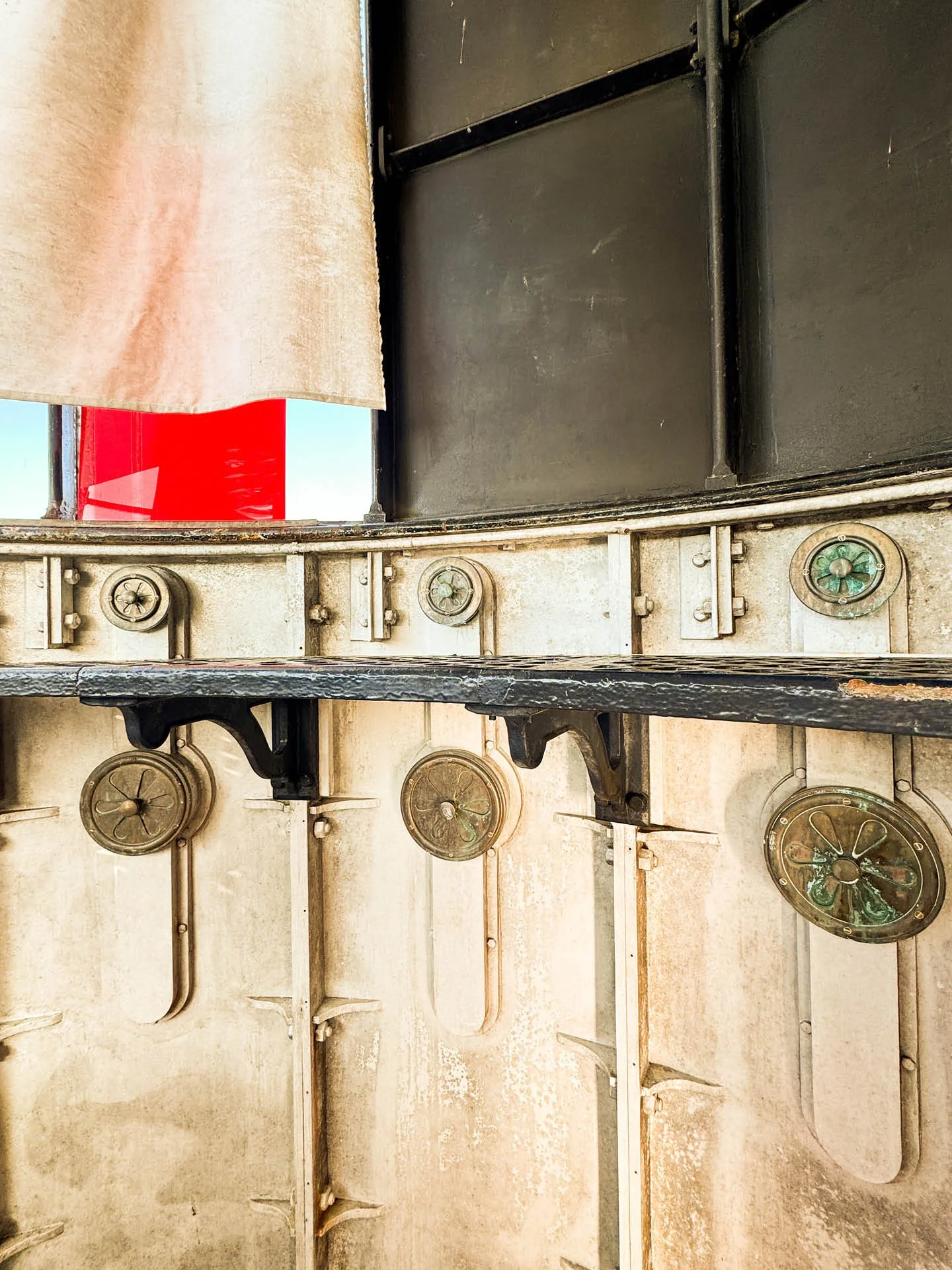
Our team undertook a comprehensive structural assessment of the lantern and associated metalwork, identifying corrosion in cast iron, wrought iron, and mild steel components. Repairs were essential but complicated by the site’s extreme remoteness—vehicle access is over 5 km away, and helicopter removal of components was cost-prohibitive.
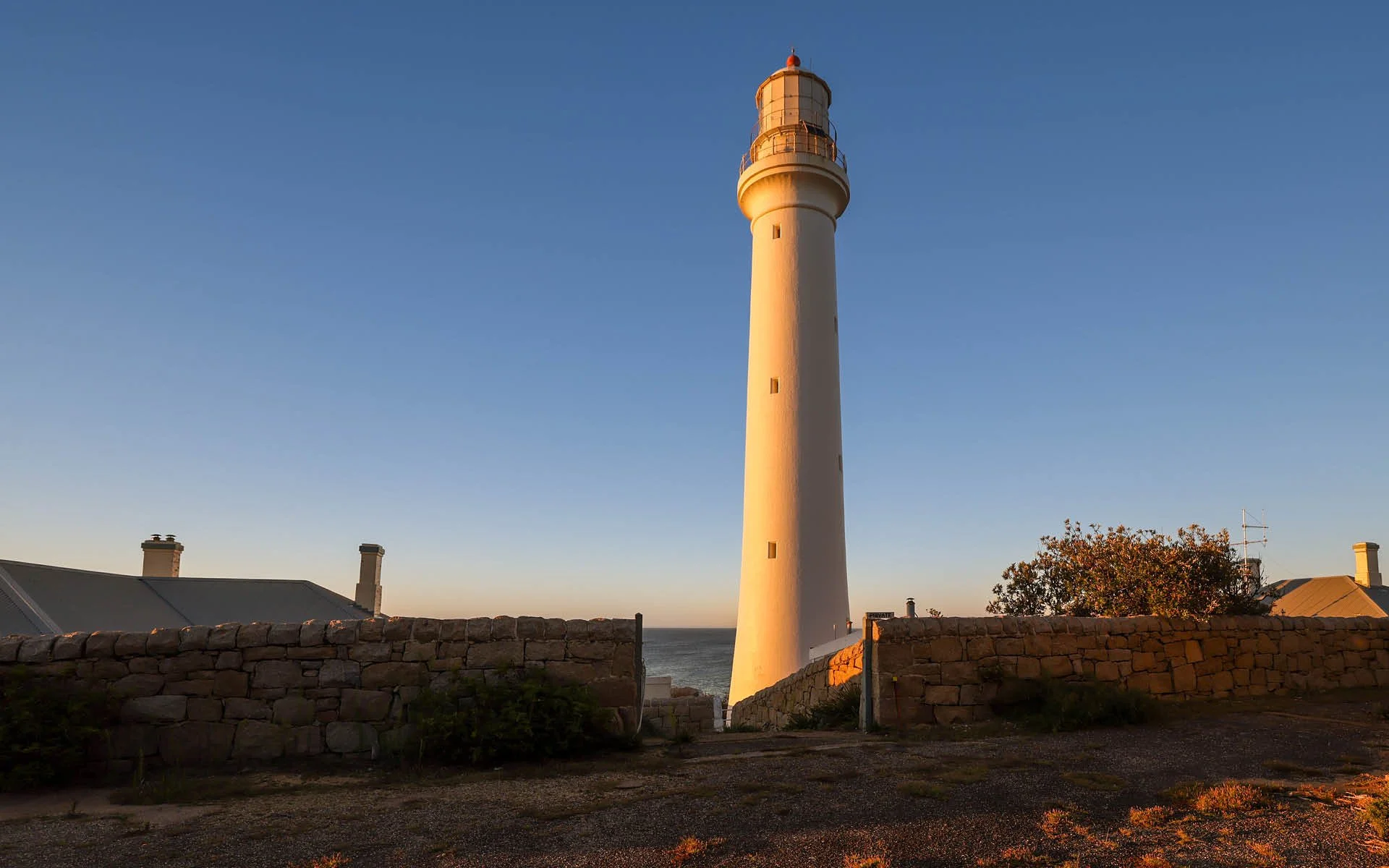
S+H designed a repair methodology that allowed works to be completed in situ. This included disassembly of lantern glazing and framing, remediation of corroded fixings, and replacement of failed anchors with grade 316 stainless steel components. Bimetallic corrosion was mitigated through isolation techniques and material compatibility strategies.
The solution preserved the lighthouse’s historic character while addressing structural vulnerabilities, enabling continued safe operation in one of Victoria’s most exposed environments.
Point Hicks Lightstation is more than a navigational aid—it is a cultural landmark that connects visitors to Australia’s maritime history. By repairing structural defects without compromising authenticity, the project ensures the lighthouse remains a functioning heritage asset and a destination for education and tourism. The works extend the life of original materials, reduce future maintenance, and uphold sustainability principles by avoiding unnecessary replacement.
Key Outcomes
Comprehensive structural assessment of lantern and metalwork
Designed in-situ repair methodology for remote conditions