

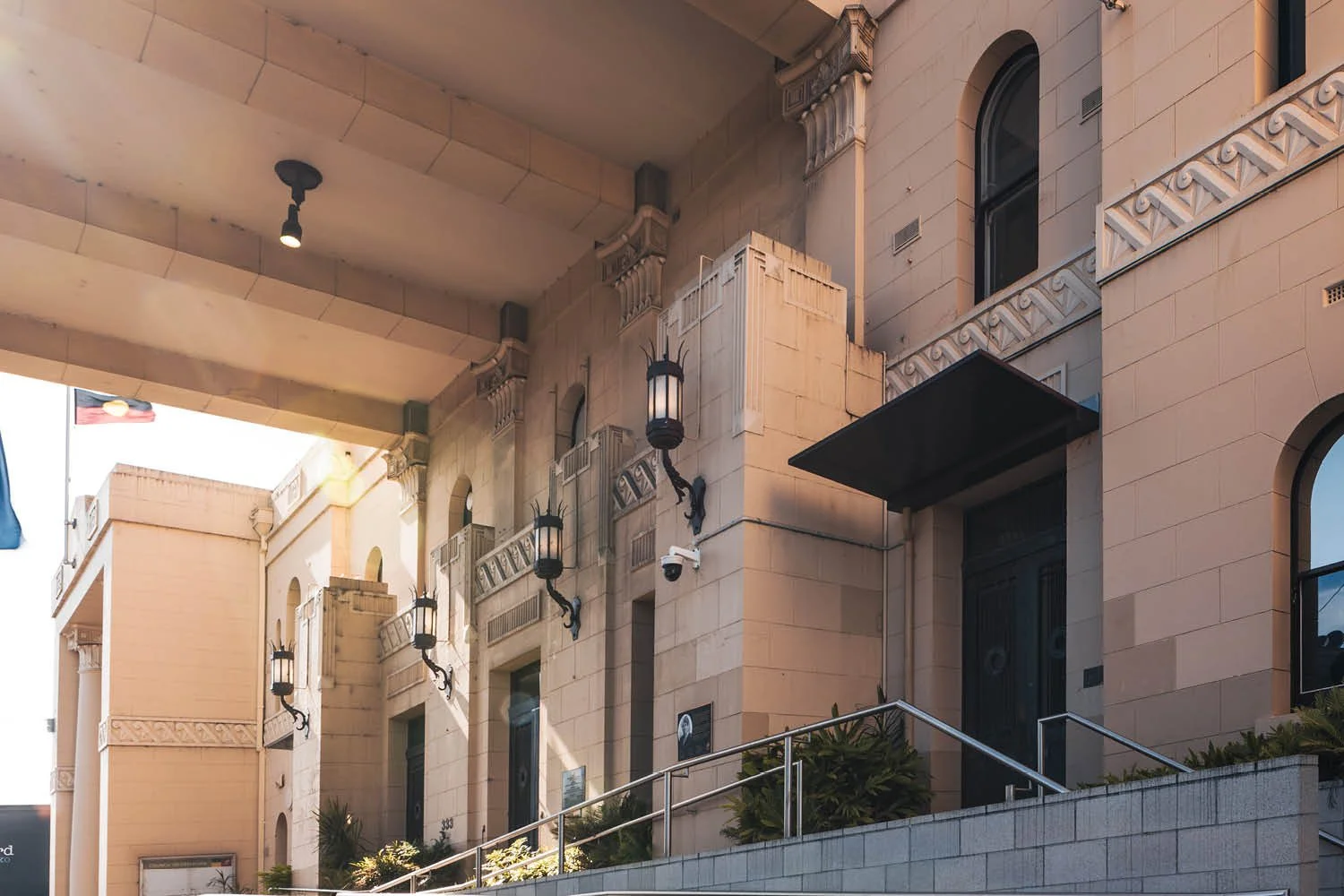
Richmond Town Hall
Location: Richmond, VIC
Typology: Civic and Government
S+H Services: Structural Engineering
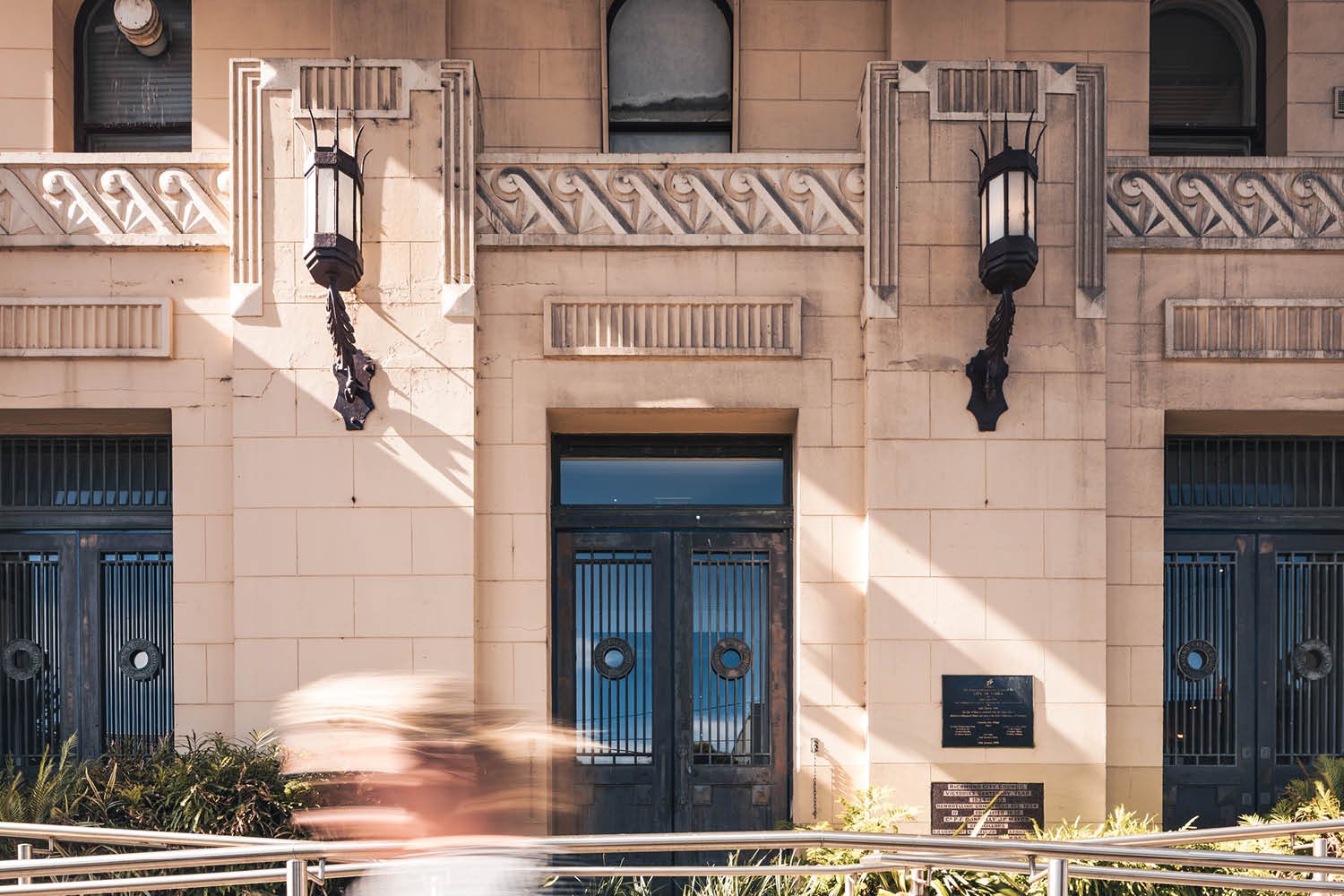
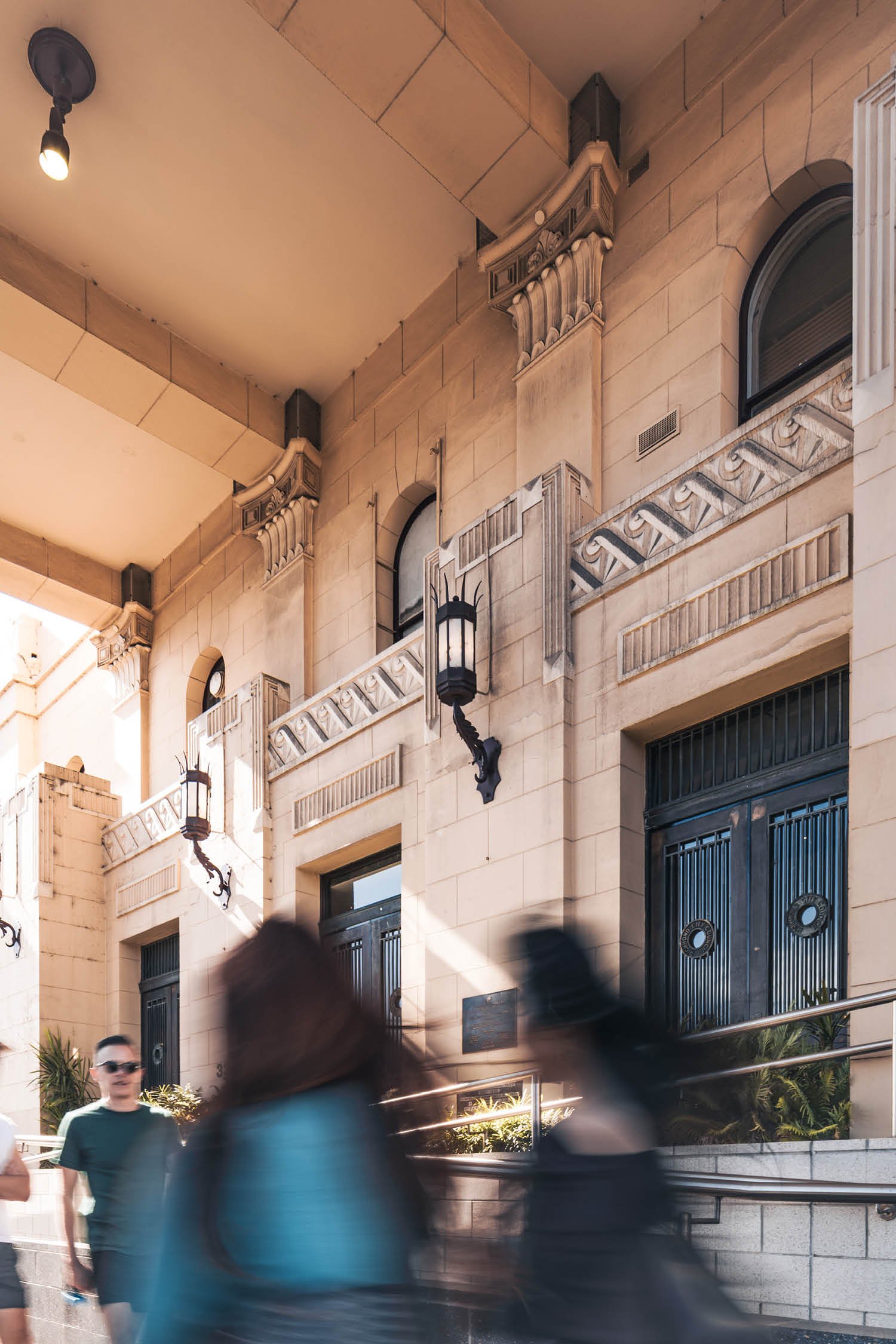
First built between 1869 and 1871 in the Venetian Gothic Revival style, Richmond Town Hall is known for its polychrome brickwork, tower elements, and major 1930s remodelling that introduced Egyptian Revival and Academic Classical Revival features. Over its long civic history, it has served as a centre for administration, political life, community gatherings, and cultural events, including significant political moments in the mid‑twentieth century.
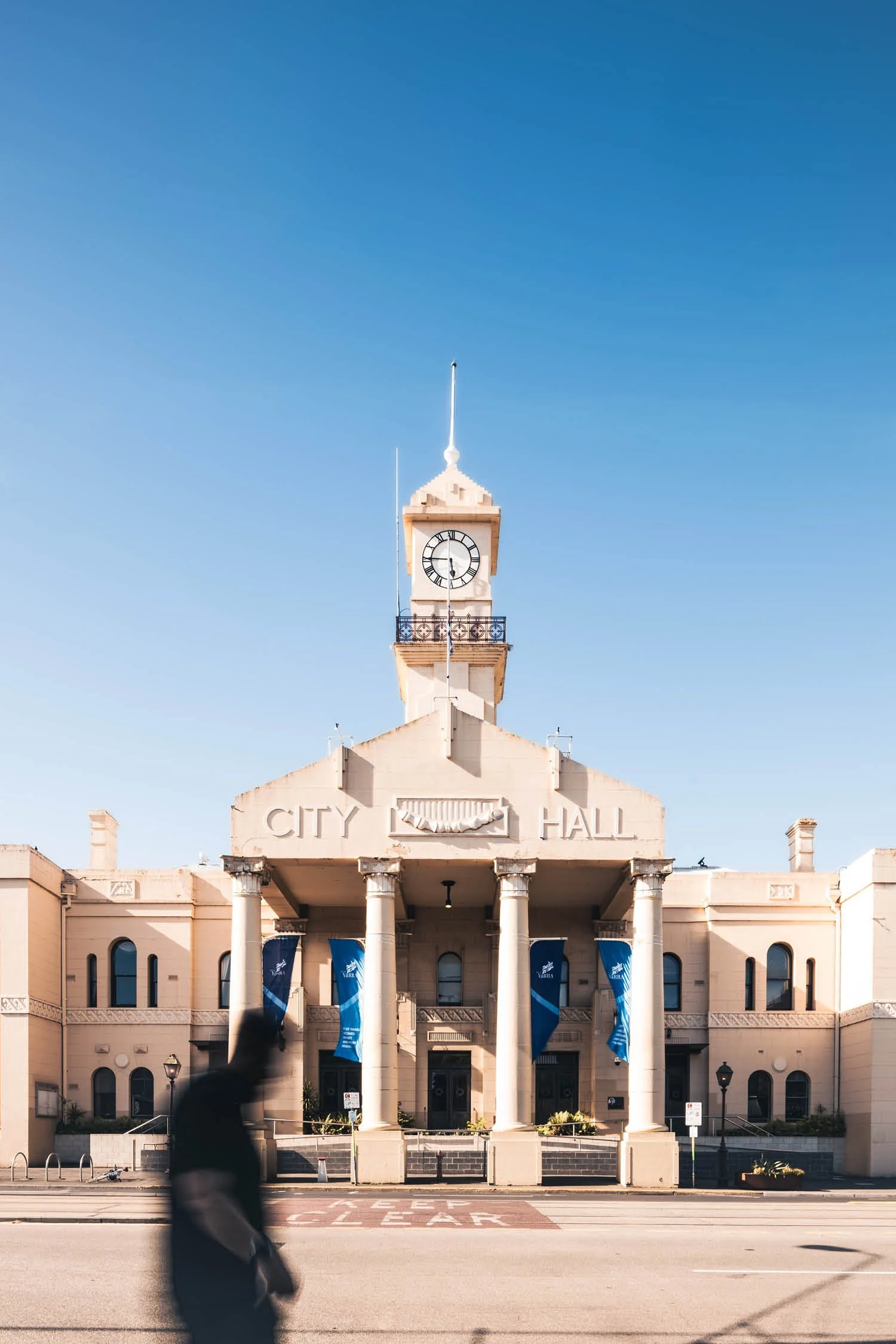
Today, the Town Hall remains the headquarters of Yarra City Council and supports a wide range of public programs. The recent works were initiated to accommodate new heating and cooling infrastructure through the design of a modern plant platform. The goal was to upgrade building services while respecting the structural limitations and historic character of the existing building.
The project required the design of a new plant platform that could integrate modern mechanical equipment without overstressing the historic structure. Investigations assessed the load‑carrying capacity of the existing building, which includes fabric from multiple construction periods and varies in geometry and material strength. Coordinating the new platform with this complexity was a central challenge.
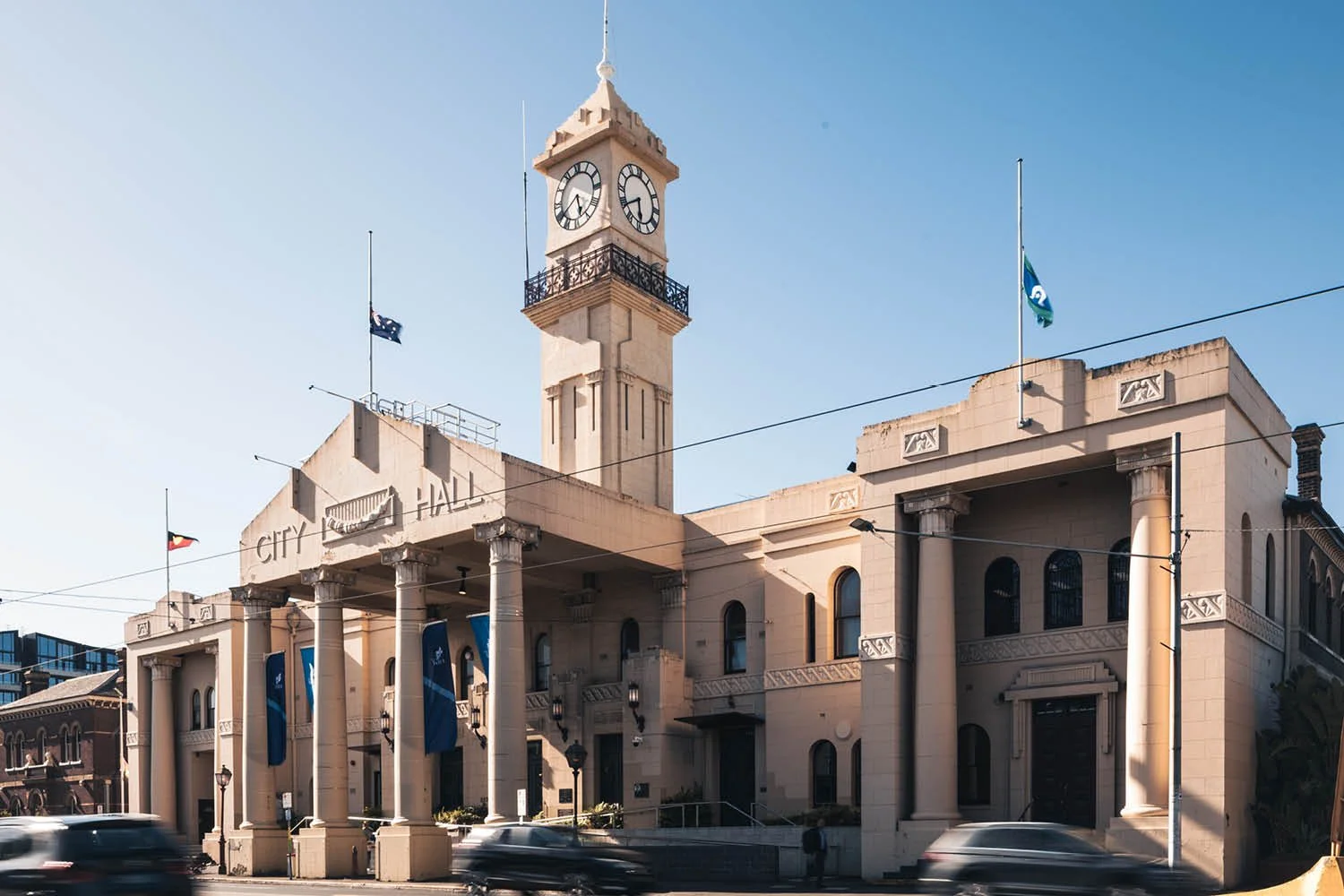
The final design corrected errors present in the earlier platform installation, improving both performance and reliability. It also provided safe, code‑compliant access for maintenance activities—an important improvement over previous arrangements. The platform was detailed to sit sensitively within the existing structural framework, ensuring new services could be accommodated without compromising the historic building fabric. The work supports the long‑term functioning of the Town Hall while maintaining its architectural integrity.
Key Outcomes
New plant platform designed to safely support updated heating and cooling systems.
Structural investigations confirmed the building’s capacity to accommodate new services.
Rectification of problems associated with the earlier platform installation.
Safe, compliant access routes introduced for future maintenance.
Modern services integrated without disturbing significant heritage fabric.