

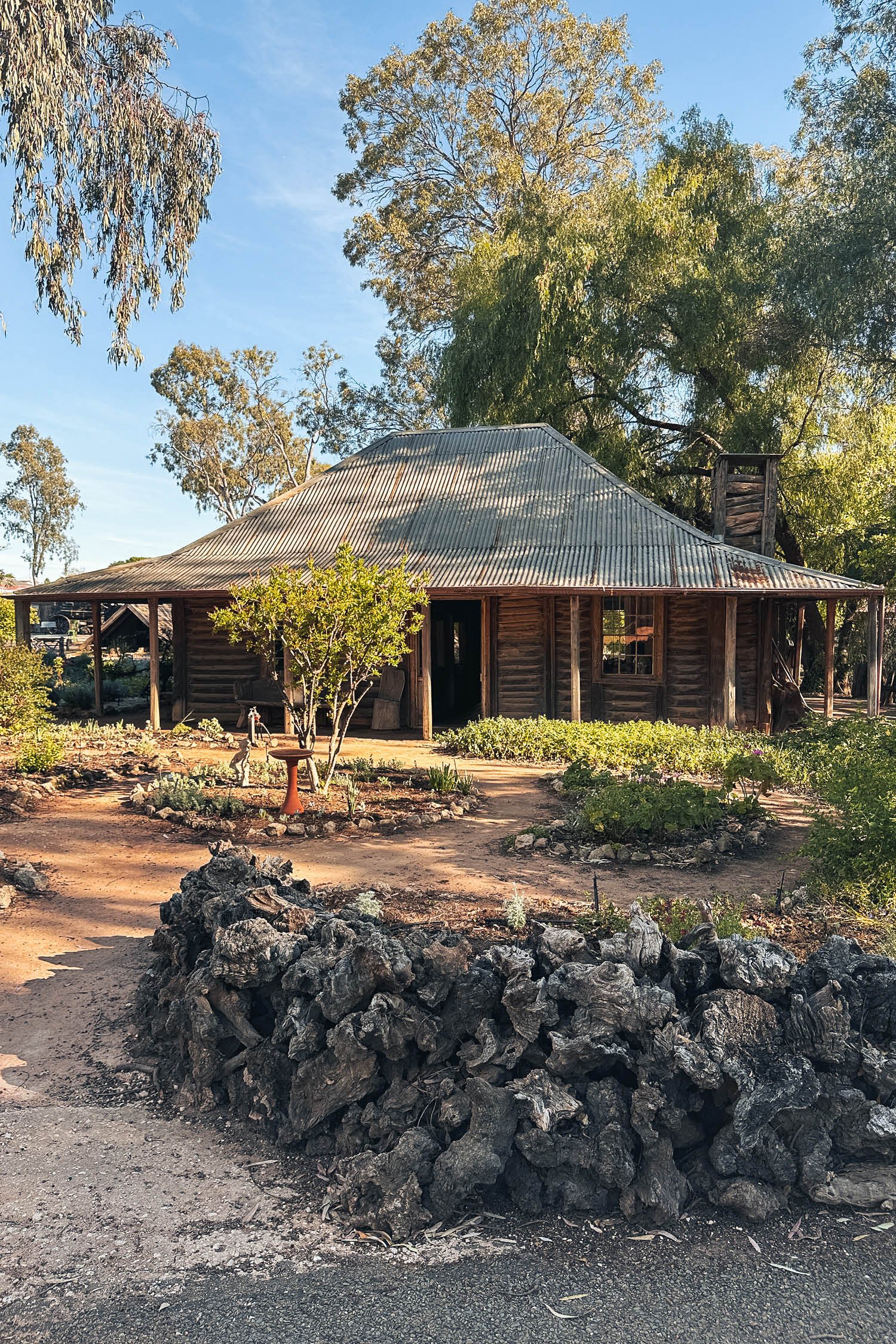
Swan Hill Pioneer Settlement
Location: Swan Hill, VIC
Typology: Cultural and Public Assembly
S+H Services: Structural Engineering
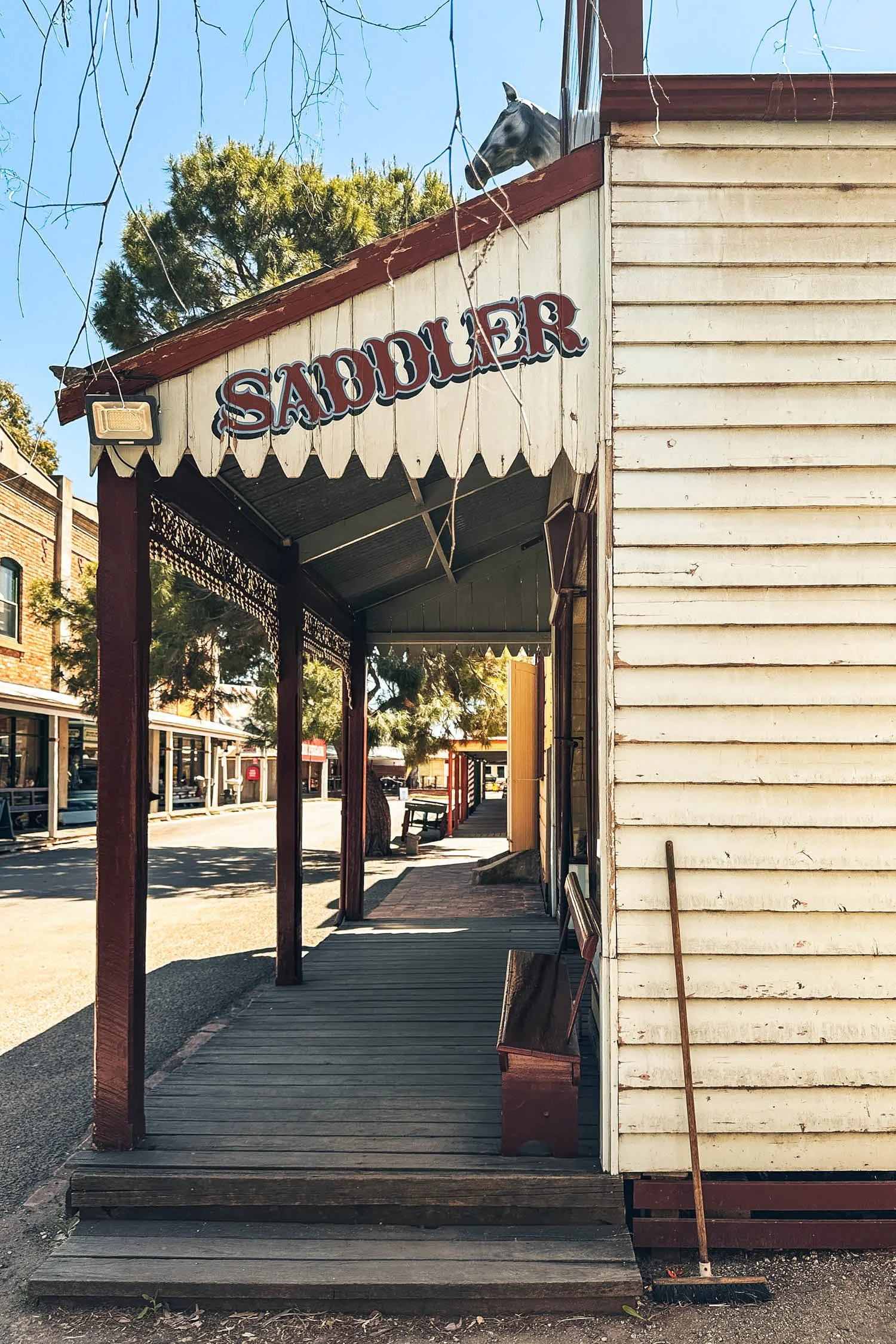
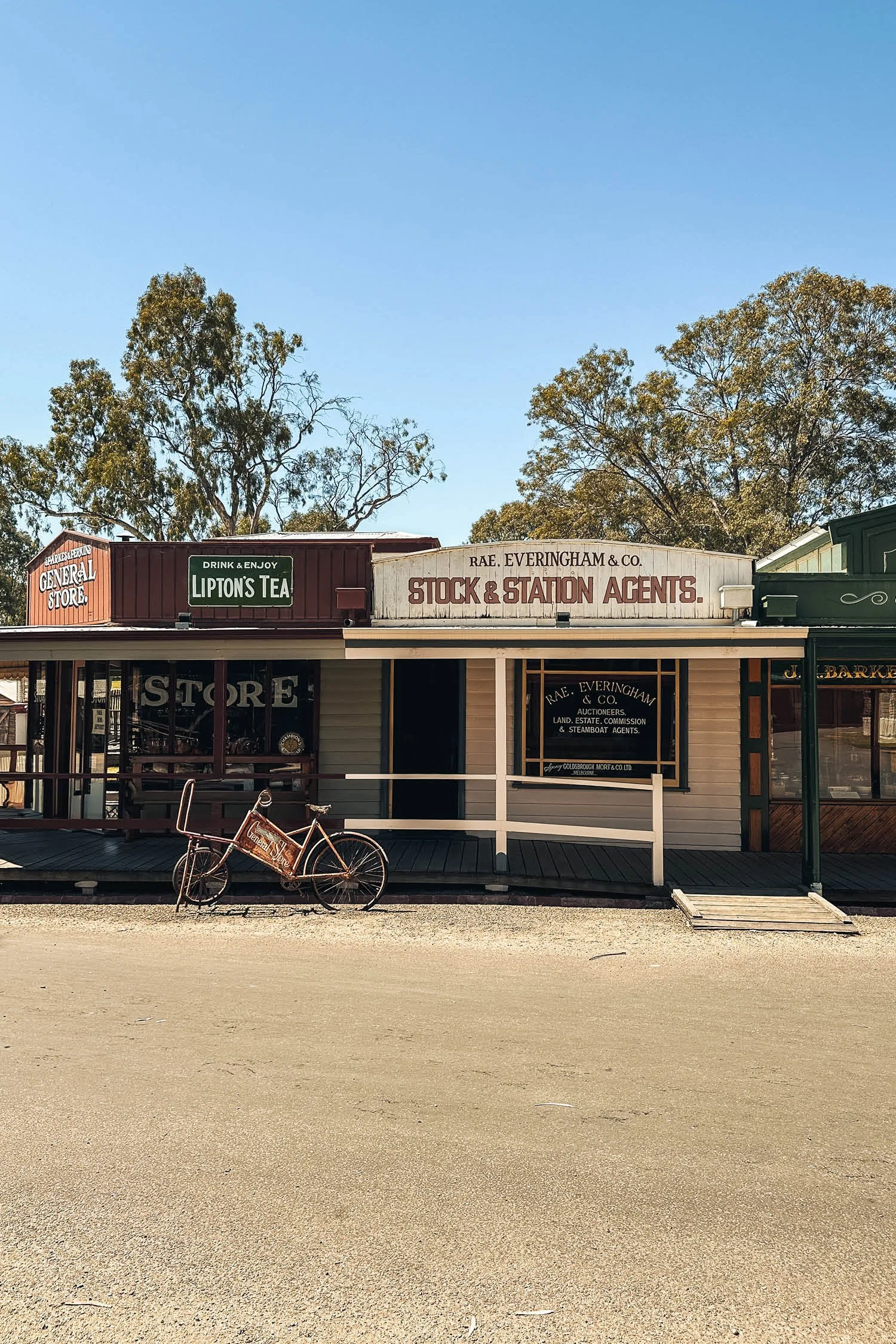
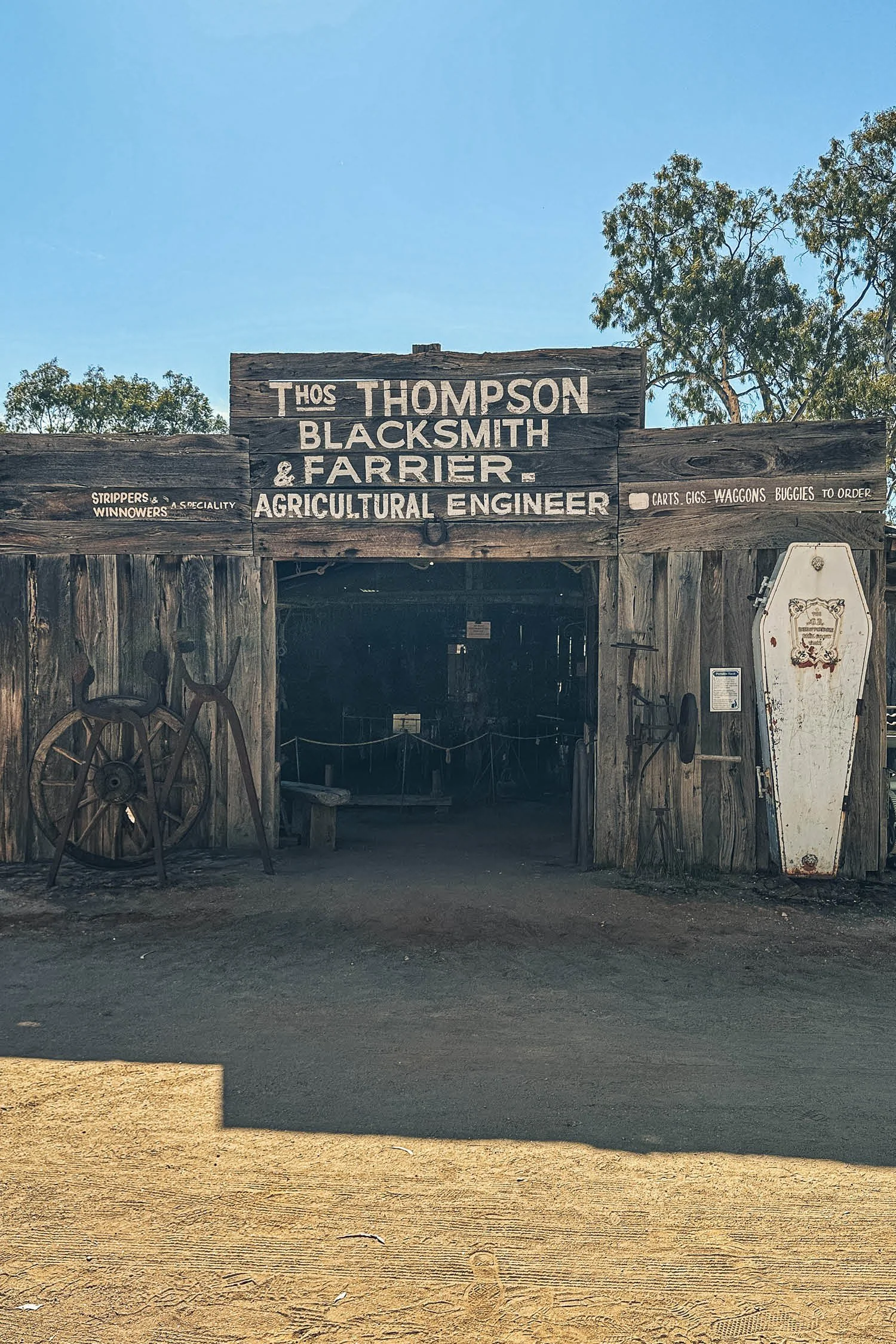
Opened in 1966 as the Swan Hill Folk Museum and later renamed following a royal visit in 1970, the Pioneer Settlement is recognised as Australia’s first open‑air museum. The site interprets life along the Murray River from the 1830s to the early twentieth century, featuring around 50 replica buildings, working displays, and significant river craft such as the restored paddle steamers PS Gem and PS Pyap. It provides immersive experiences including horse‑drawn carriage rides, river cruises, live demonstrations, and night‑time light shows that enliven regional history.
The settlement functions as both a community asset and a tourism destination, contributing to local identity, education, employment, and regional development. It also plays an important role in communicating Indigenous and settler histories through collaborations with Wemba Wamba and Wadi Wadi communities. With continuous public activity and an ageing collection of structures, the site required a detailed condition assessment to guide future conservation efforts.
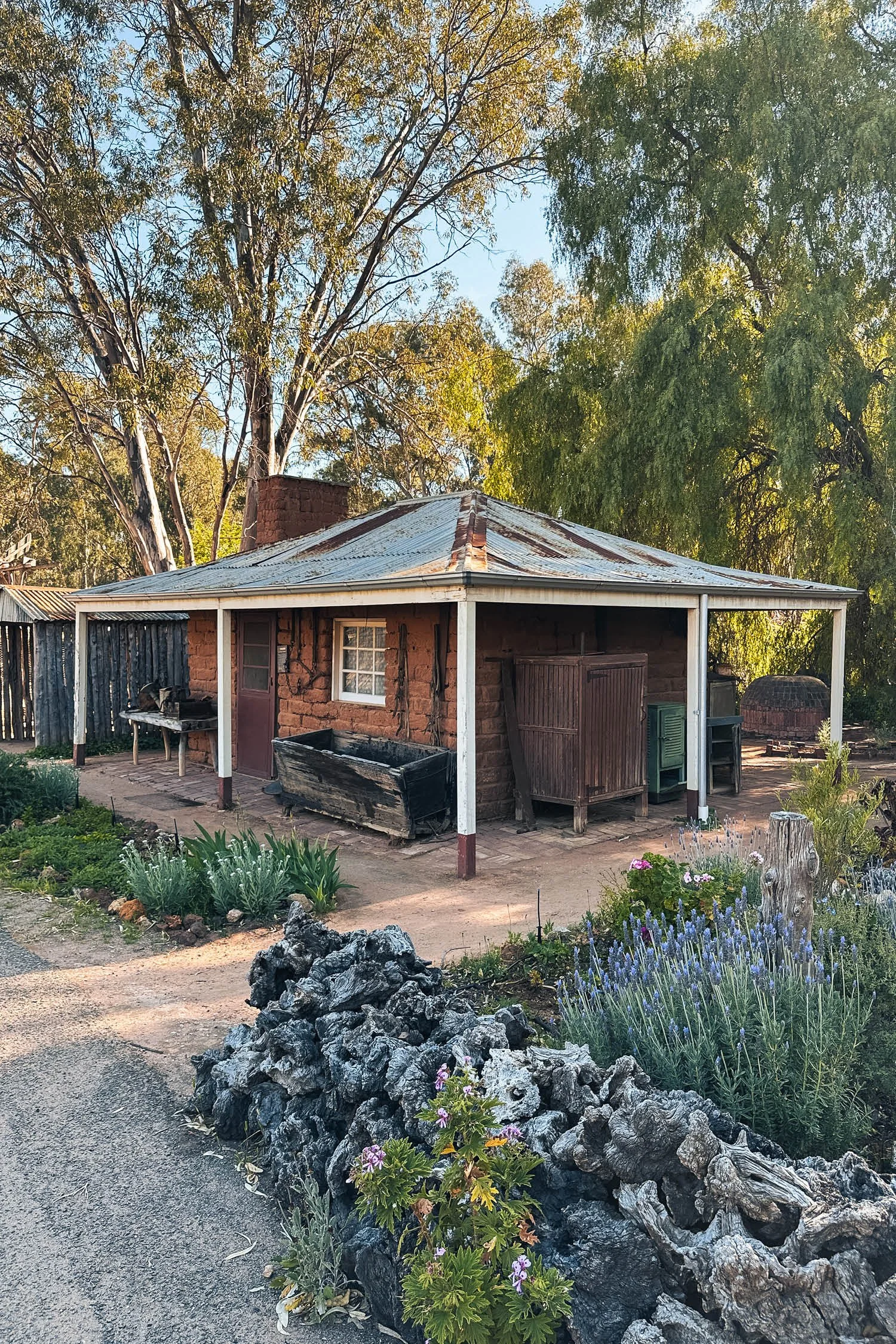
The client’s goal was to understand the structural condition of the numerous buildings across the precinct—including both historic and replica structures—and to identify urgent works needed to ensure safety and maintain minimum maintenance standards. Particular attention was required for the church building, which had shown signs of structural movement and required further geotechnical investigation. The project demanded sensitivity, given the site’s unique mix of heritage interpretation, operational needs, and budget considerations.
The engineering response began with a comprehensive structural condition assessment of 52 buildings across the Pioneer Settlement. Given the variety of construction types, ages, and levels of degradation, each building required individual inspection to determine the severity of defects, structural stability, and potential risks to visitors and staff. Common issues included weathering, foundation movement, and moisture‑related deterioration.
To assist the client in prioritising works, all identified defects were categorised within a risk matrix, classifying issues based on urgency, consequence, and required action. This provided a clear and actionable framework for long‑term asset management, enabling the council to plan maintenance and rectification works methodically and transparently.
The church building required additional engineering attention due to observed structural movement. Investigations included geotechnical assessment and monitoring to determine the nature and progression of ground movement. Full underpinning was identified as a potential—but financially prohibitive—intervention. Instead, a more cost‑effective approach was developed, combining improved foundation maintenance practices with structural health monitoring to track movement over time and minimise deterioration until larger works become feasible.
Throughout the assessment, the engineering approach emphasised practicality, heritage sensitivity, and value for money. Low‑cost mitigation measures were proposed where appropriate to prevent or slow further degradation. These recommendations were balanced with the operational needs of a site that welcomes visitors daily, ensuring that safety improvements did not detract from the immersive qualities that define the Pioneer Settlement.
The project supports the long‑term sustainability of one of regional Victoria’s most culturally significant destinations. By assessing building conditions comprehensively and identifying urgent works, the project strengthens the settlement’s capacity to educate, engage, and inspire the community. The recommendations preserve the character of a site that reflects rural life, craftsmanship, riverine history, and community traditions that have shaped the region
Improving safety and resilience across the precinct ensures that visitors, school groups, and local families can continue to enjoy the settlement’s experiences without risk. The monitoring and maintenance strategies developed for the church building also protect one of the settlement’s most symbolically important structures, supporting its ongoing use in storytelling and interpretation.
By promoting repair over replacement, the project reduces environmental impact, extends the life of existing materials, and supports sustainable conservation practices. Ultimately, the work strengthens the cultural continuity of a place deeply valued by the Swan Hill community and the broader region.
Key Outcomes
Structural assessment of 52 buildings across the precinct.
Clear prioritisation of defects through a risk‑based categorisation matrix.
Cost‑conscious engineering strategies to prevent deterioration across the site.
Targeted investigations and monitoring of structural movement in the church building.
Practical maintenance recommendations aligned with operational and budget constraints.
Improved safety and resilience for a major regional cultural and tourism asset.